
PRK Surgery in Korea: Cost, Recovery & Flap-Free Benefits
What is PRK?
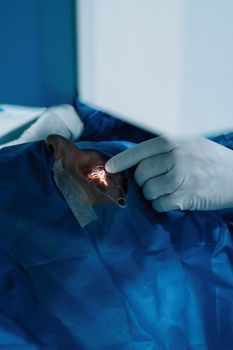
Photorefractive Keratectomy (PRK) is a laser vision correction procedure. It reshapes the cornea to fix nearsightedness, farsightedness and astigmatism.
Unlike LASIK or SMILE, PRK does not create a flap. That makes it ideal for patients with thin corneas or a higher risk of eye trauma, such as athletes and military personnel.
Why get PRK in Korea?
- Cutting-edge lasers: Seoul clinics use advanced laser systems for precise, safe correction.
- Experienced surgeons: Many perform thousands of procedures each year.
- Affordable all-inclusive pricing: Lower than in the US, Canada or Europe.
- Global-patient services: English-speaking staff and follow-up care. See English-speaking vision clinics in Korea.
Step-by-step: the PRK process
Pre-op testing
- Corneal thickness, eye pressure and dry eye testing
- Contact lens users must stop wearing lenses before testing
Surgery day
- The procedure takes 10–15 minutes per eye
- The surgeon removes the surface layer (epithelium) and reshapes the cornea with an excimer laser
- A bandage contact lens is applied to protect the eye
Recovery phase
- Vision may be blurry for 3–7 days
- Antibiotic and steroid eye drops are used for several weeks
- Follow-up visits are needed to monitor healing
PRK cost in Korea (2026 estimates)
| Item | Price (USD) |
|---|---|
| PRK surgery (both eyes) | $1,300 – $2,500 |
| Full package (incl. tests, meds, follow-ups) | $1,700 – $3,200 |
Prices vary by clinic, surgeon experience and laser technology. PRK tends to be slightly more affordable than LASIK or SMILE in Korea. Read the full cost of PRK surgery in Korea.
What most PRK packages include
- Pre-op eye examination
- PRK procedure for both eyes
- Post-op medications and bandage lenses
- Follow-up checkups
- English-language documentation
- Interpreter or coordinator support
Travel tips for global patients
- Plan to stay in Korea for 5–7 days for healing and follow-up.
- Avoid strenuous activities and direct sunlight after surgery.
- Wear sunglasses and skip eye makeup for 1–2 weeks.
- Book accommodation close to the clinic. Areas near Gangnam and Myeongdong are popular; see Gangnam eye clinics and Myeongdong eye clinics.
PRK vs LASEK
Both are surface treatments without a flap. LASEK repositions the epithelium, while PRK removes it. Compare them in PRK vs LASEK in Korea or read our LASEK treatment guide.
The bottom line
PRK in Korea is a safe, effective option, especially for patients who are not ideal LASIK or SMILE candidates. Expert care, modern technology and affordable packages make Korea a top destination.
Key facts
- Price range: $1,300 – $2,500 both eyes; $1,700 – $3,200 full package (PRK cost guide)
- Procedure time: 10–15 minutes per eye
- Recovery: Blurry 3–7 days; functional vision in 4–7 days; sharp vision in 3–4 weeks
- Stay in Seoul: 5–7 days
- Best for: Thin corneas, dry eyes, athletes, police and military
Related guides
Independent directory. Prices are typical ranges reported by Seoul clinics and change often. Always confirm a written quote and get a full eye exam before booking. This page is general information, not medical advice.
FAQ
Frequently asked questions
Is PRK painful?
Mild to moderate discomfort may occur in the first 3–4 days. It is manageable with medicated drops and pain relievers.
When will I see clearly after PRK?
Most patients regain functional vision in 4–7 days. Sharp, stable vision usually develops within 3–4 weeks.
Can I fly soon after PRK?
Wait at least 4–5 days after surgery before flying. Plan a 5–7 day stay in Korea to cover follow-ups.
Why choose PRK over LASIK?
PRK is flap-free and safer for thin or irregularly shaped corneas, and for high-risk jobs such as police, military and athletes.
Is PRK cheaper than LASIK in Korea?
Generally, yes. PRK tends to be slightly cheaper than LASIK or SMILE; see the PRK cost guide.
Planning vision correction in Seoul?
Compare clinics by district, check 2026 price ranges, and read our step-by-step planning guide for international patients.