
LASEK Surgery in Korea: Cost, Recovery & Who It Suits
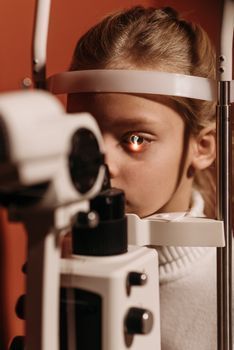
What is LASEK?
LASEK (Laser-Assisted Sub-Epithelial Keratectomy) is a flapless laser vision correction surgery. It reshapes the cornea to treat nearsightedness, farsightedness and astigmatism.
LASEK is a hybrid of PRK and LASIK. It offers the safety of surface correction, like PRK, with a gentler healing process. The outer corneal layer is gently lifted before laser reshaping, which gives good results with fewer risks for certain eye types.
Why get LASEK in Korea?
- Advanced technology: Korean clinics use next-generation, high-precision excimer lasers.
- Affordable pricing: LASEK in Korea typically costs 30–60% less than in the U.S. or Europe.
- Trusted by global patients: Many Seoul eye centers serve English-speaking visitors with international care packages. See English-speaking vision clinics in Korea.
- Flap-free safety: Ideal for thin corneas, contact sports and dry eye patients.
What happens during LASEK surgery?
Pre-surgery consultation
- Eye exams: vision, corneal thickness, pupil size and dryness
- Medical clearance and a contact lens removal timeline
Procedure day
- Local numbing drops are applied
- The epithelium is softened with an alcohol solution and gently moved aside
- An excimer laser reshapes the cornea
- The epithelium is repositioned and a bandage contact lens is applied
Post-op recovery
- Mild to moderate discomfort for 1–3 days
- Vision improves within 5–7 days
- Full clarity in 3–4 weeks
- Eye drops and sunglasses are recommended
LASEK cost in Korea (2026 estimates)
| Service | Price range (USD) |
|---|---|
| LASEK for both eyes | $1,200 – $2,300 |
| Premium package (incl. meds and tests) | $1,500 – $2,900 |
Costs vary by clinic, technology and surgeon experience. See the full cost of LASEK surgery in Korea.
What most LASEK packages include
- Pre-surgery eye tests
- Surgeon consultation
- LASEK procedure for both eyes
- Protective lenses and medications
- Post-op checkups and a medical report in English
- Translator or English-speaking staff support
Travel tips for international patients
- Plan to stay in Korea for 4–6 days.
- Book a hotel near your clinic. Gangnam, Myeongdong and Hongdae are popular; browse clinics in Gangnam and clinics in Myeongdong.
- Avoid eye makeup, screen time, swimming and bright sunlight for 1 week.
- Wear UV-blocking sunglasses during recovery.
- Request English medical documents for follow-up in your home country.
LASEK vs LASIK vs PRK
LASEK avoids the corneal flap used in LASIK, which matters for people with thin or irregular corneas, higher dry eye risk, or physical jobs and contact sports. For a side-by-side view, read PRK vs LASEK in Korea.
The bottom line
LASEK in Korea is a safe, effective and affordable way to get long-term vision correction without flap-related risks. Expert care, English support and modern facilities make Seoul a leading destination.
Key facts
- Price range: $1,200 – $2,300 for both eyes; $1,500 – $2,900 premium (LASEK cost guide)
- Savings: Typically 30–60% less than in the U.S. or Europe
- Recovery: Discomfort 1–3 days; vision improves in 5–7 days; full clarity in 3–4 weeks
- Stay in Seoul: 4–6 days
- Best for: Thin corneas, contact sports and dry eye patients
Related guides
Independent directory. Prices are typical ranges reported by Seoul clinics and change often. Always confirm a written quote and get a full eye exam before booking. This page is general information, not medical advice.
FAQ
Frequently asked questions
Is LASEK painful?
You may feel mild to moderate discomfort for 2–3 days after surgery. It is usually managed with eye drops and mild medication.
How long does it take to see clearly after LASEK?
Most people notice clear improvement within 5–7 days. Vision stabilizes in 2–4 weeks.
Why choose LASEK over LASIK or PRK?
LASEK suits people with thin or irregular corneas and higher dry eye risk. It also avoids the LASIK flap, which can be an issue in contact sports; compare in PRK vs LASEK.
Can I fly after LASEK?
Most clinics recommend waiting at least 4–5 days before flying, to allow safe recovery.
Is follow-up care provided in English?
Yes. Clinics serving international patients typically provide post-op guidance and documents in English.
Planning vision correction in Seoul?
Compare clinics by district, check 2026 price ranges, and read our step-by-step planning guide for international patients.