
K-ETA and medical visa for eye surgery in Korea (2026)
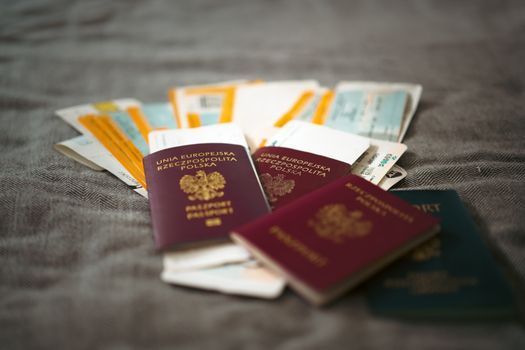
Do I need a visa for eye surgery in Korea?
Most visitors from visa-waiver countries do not need a visa for a short LASIK, SMILE or ICL trip: they enter visa-free, and in 2026 nationals of 22 countries do not even need a K-ETA. A C-3-3 medical visa is for people who need a visa to visit Korea, or who want medical treatment to be the formal purpose of a stay of up to 90 days.
Rules change often. Everything below was checked on official and embassy sources on 1 November 2026; confirm again before you book flights.
What is the K-ETA?
The K-ETA (Korea Electronic Travel Authorization) is an online pre-travel approval for visa-free visitors. According to ANA's K-ETA guidance, the fee is KRW 10,000 (plus a processing charge), it is valid for 3 years for multiple trips, and you should apply at least 72 hours before departure. Results are usually emailed within 24 hours. Travellers aged 17 and under or 65 and over have not needed a K-ETA since 3 July 2023.
Which countries are exempt from K-ETA in 2026?
Korea's embassies confirm that the temporary K-ETA exemption runs from 1 January to 31 December 2026 (KST). The 22 exempt countries and regions are:
| Region | Exempt countries and regions (until 31 Dec 2026) |
|---|---|
| Americas | United States (including Guam), Canada |
| Europe | United Kingdom, Germany, France, Italy, Spain, Netherlands, Belgium, Austria, Denmark, Finland, Norway, Sweden, Poland |
| Asia-Pacific | Japan, Taiwan, Hong Kong, Macao, Singapore, Australia, New Zealand |
Exempt travellers can still apply for a K-ETA voluntarily and pay the fee. The main benefit is skipping the arrival card. As of 1 November 2026 we found no official announcement extending the exemption into 2027, so if you travel from 1 January 2027, check the official K-ETA site and apply if required.
What is the C-3-3 medical tourism visa?
The C-3-3 is a short-term medical tourism visa for treatment and a stay of 90 days or less. Medical Korea, the government's information service run by KHIDI, describes it as covering relatively simple treatment. Longer treatment of 91 days or more uses the G-1-10 visa, valid for up to a year. Spouses or children accompanying a patient as carers can also apply.
How do I apply for a C-3-3 visa?
You apply at a Korean embassy or consulate, usually with paperwork from the inviting hospital or a registered agency. Medical Korea lists these core documents:
- Visa application form with a recent colour photo (check the embassy's size rules)
- An invitation and medical-purpose document from the Korean medical institution
- A treatment reservation confirmation and the doctor's medical opinion
- Proof you can pay for treatment and your stay
- The institution's registration as a foreign-patient provider
Agencies that apply for you must be registered with KHIDI and permitted by the Ministry of Justice. Ask your clinic early: many clinics popular with foreign patients prepare invitation documents. See FAQs for global patients.
K-ETA, visa-free entry or C-3-3: which do I need?
Choose based on your nationality and the length of your stay, not the procedure. A typical LASIK, SMILE or ICL trip lasts 3–10 days, well within normal visa-free stays.
| Your situation | What you usually need |
|---|---|
| National of one of the 22 exempt countries, travelling before 31 Dec 2026 | Passport and e-arrival card; K-ETA optional |
| Other visa-waiver nationality | Approved K-ETA before boarding |
| Nationality that needs a visa for Korea | C-3-3 medical visa, usually with the clinic's invitation |
| Treatment or recovery of 91 days or more | G-1-10 medical treatment visa |
Visa-free stay lengths differ by nationality, so check your country's allowance on the Korean embassy site for your country. Your passport should be valid for your whole stay; airlines may check this at boarding.
Can a K-ETA be refused?
Yes. A K-ETA is an approval, not a right, and it can be refused, for example after a previous overstay or if information does not match your passport. If it is refused, you can apply for a visa at an embassy instead. Apply well before your trip so there is time to fix problems; do not book non-refundable surgery dates until your entry is sorted.
Do I need any documents from my clinic to enter Korea?
Visa-free visitors do not normally need medical paperwork at immigration, but it is sensible to carry your booking confirmation and accommodation address. If you hold a C-3-3 visa, carry the clinic's invitation and reservation documents, as immigration may ask about the purpose of your visit.
Bring your current glasses prescription and, if you wear contact lenses, follow the clinic's instructions on how long to stop wearing them before the exam. Plan the rest of the trip with our vision correction travel guide, Incheon Airport to Gangnam and 3-day LASIK trip itinerary. Budget for the whole trip with total trip cost for LASIK in Korea.
Where can I check the latest rules?
Use official sources only: the K-ETA website (k-eta.go.kr), your nearest Korean embassy or consulate, and Medical Korea for medical visas. The Korea Travel Hotline (1330, or +82-2-1330 from abroad) answers in English. Beware look-alike sites that charge extra to file K-ETA applications. This page is general information, not legal or immigration advice.
Sources
Key facts
- K-ETA exemption: 22 countries and regions, 1 Jan–31 Dec 2026 (KST)
- K-ETA fee and validity: KRW 10,000; valid 3 years; apply 72+ hours before travel
- C-3-3 medical visa: treatment and stay of 90 days or less
- G-1-10 visa: treatment of 91 days or more, up to 1 year
- Rules checked: 1 November 2026
- Plan your trip: vision correction travel guide
Related guides
Independent directory. Prices are typical ranges reported by Seoul clinics and change often. Always confirm a written quote and get a full eye exam before booking. This page is general information, not medical advice.
FAQ
Frequently asked questions
Do US citizens need a K-ETA for Korea in 2026?
No. US citizens, including Guam, are among the 22 nationalities exempt from K-ETA from 1 January to 31 December 2026. They can still apply voluntarily to skip the arrival card. Check again for travel from 2027.
Do I need a medical visa for LASIK in Korea?
Usually not, if you can already visit Korea visa-free. A LASIK trip takes 3–7 days, within normal visa-free stays. You need a C-3-3 medical visa if your nationality requires a visa for Korea.
How long does a K-ETA take to approve?
Results are normally emailed within 24 hours, but you should apply at least 72 hours before departure. Apply earlier to leave time if there is a problem.
How much does a K-ETA cost?
KRW 10,000, plus a small processing charge, paid by card. It is valid for 3 years for multiple visits, unless your passport expires sooner.
Can my clinic help with a C-3-3 visa?
Many clinics that treat foreign patients can issue the invitation and reservation documents you need. Only agencies registered with KHIDI and approved by the Ministry of Justice can apply on your behalf.
Will the K-ETA exemption be extended into 2027?
As of 1 November 2026, we found no official announcement of an extension beyond 31 December 2026. Check the official K-ETA website or your Korean embassy before travelling in 2027.
Planning vision correction in Seoul?
Compare clinics by district, check 2026 price ranges, and read our step-by-step planning guide for international patients.