
Cataract: Treatment Options in Korea
What is a cataract?
A cataract is a clouding of the eye's natural lens. The American Academy of Ophthalmology (AAO) explains that proteins in the lens break down with time, making vision blurry, hazy or less colourful. Ageing is the most common cause: lens changes begin after about 40, and most people over 60 have some clouding, though it may not affect vision for years.
Other risk factors the AAO lists include smoking, UV exposure, diabetes, corticosteroid medicines, eye injury or previous eye surgery, radiation and family history. Cataracts in younger people or people with diabetes can progress faster.
What are the symptoms?
Common signs are blurred or dim vision, glare or halos from headlights, trouble seeing at night, needing more light to read, double or ghost images, and colours that look faded or yellowed. Frequent changes in glasses prescription can also be a sign.
How is a cataract diagnosed?
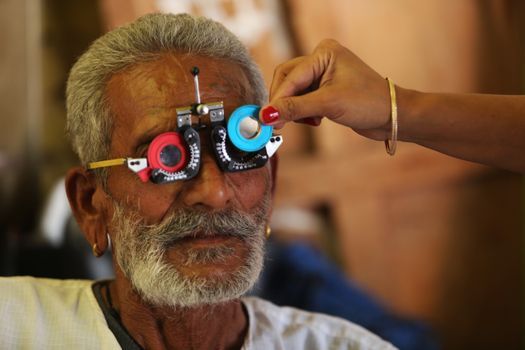
A cataract is diagnosed in a comprehensive dilated eye exam. The AAO describes a slit-lamp exam of the lens, a retinal exam after dilation, and refraction and acuity tests.
Before surgery, Seoul clinics add biometry, which measures the eye's length and corneal power to calculate the lens implant, plus corneal topography if you are considering a toric or multifocal lens, and macular imaging to make sure the retina can support a premium lens. Previous LASIK changes the lens calculation, so bring any records; see getting medical records in English.
When should I have cataract surgery?
When the cataract interferes with daily life. The AAO says surgery is not needed for mild symptoms, where a new glasses prescription may be enough, and is considered when the cataract affects activities such as driving, reading or night vision.
Which treatments in Seoul address cataract?
All cataract surgery removes the cloudy lens and replaces it with an intraocular lens (IOL). The choices are the lens type and whether a femtosecond laser assists the operation.
| Situation | Usually considered | Seoul price per eye (2026) |
|---|---|---|
| Happy to wear reading glasses | Cataract surgery with a monofocal IOL | ₩1.5M–₩3M |
| Cataract plus significant astigmatism | Toric IOL; see astigmatism correction | ₩3.5M–₩6.5M |
| Wants less dependence on glasses | Multifocal or EDOF IOL | ₩3.5M–₩6.5M |
| Prefers laser-assisted surgery | FLACS | ₩5M–₩7.5M |
| Retinal or optic nerve disease | Monofocal IOL, care with premium lenses | Hospital-based care advised |
USD equivalents are approximate at about ₩1,350–1,400 per dollar, roughly $1,100–$5,600 per eye overall.
Which lens implant should I choose?
A monofocal lens gives sharp vision at one distance, usually far, so you will need reading glasses. Toric lenses also correct astigmatism. EDOF lenses extend focus to intermediate distances, and multifocal or trifocal lenses add near vision but commonly cause halos around lights at night, at least at first.
Premium lenses suit people with otherwise healthy eyes and realistic expectations; conditions such as macular degeneration, glaucoma or severe dry eye can make them a poor choice. Compare lenses in monofocal vs multifocal IOL.
What does cataract surgery cost in Seoul?
For international patients, prices are per eye: about ₩1.5M–₩3M with a monofocal lens, ₩3.5M–₩6.5M with a premium multifocal, toric or EDOF lens, and ₩5M–₩7.5M for laser-assisted surgery (checked 2026). Korean National Health Insurance covers part of the surgery for eligible residents, so Korean-language prices often look lower and may cover only the lens. Ask for an all-in, per-eye quote. See the cataract surgery cost guide and multifocal lens cost.
What are the risks and what happens afterwards?
Cataract surgery is one of the most common operations, but no surgery is risk-free. Possible problems include infection, inflammation, swelling of the retina or cornea, raised eye pressure, a displaced lens and retinal detachment. Discuss these with your surgeon.
Months or years later the capsule holding the lens can cloud. The AAO notes this is treated with a quick laser procedure called capsulotomy, which your eye doctor at home can perform. Plan about 4–7 days in Seoul; many clinics operate one eye at a time with a few days between. Arrange follow-up care at home before you fly.
Can a cataract be prevented?
Not completely, but the AAO suggests UV-blocking sunglasses and a hat, not smoking, managing diabetes, and regular eye exams, yearly after 65. This page is general information; an ophthalmologist must examine you to advise on surgery.
What should I ask before cataract surgery in Seoul?
Use these questions to compare quotes and to make sure the lens choice suits your eyes.
- Which lens model do you recommend, and why for my eyes?
- Is the quote per eye, and does it include biometry, the lens, surgery, drops and follow-ups?
- Will both eyes be done on different days, and how many days apart?
- Do I have any retinal or corneal condition that limits premium lenses?
- Can I have the lens model, power and surgical report in English for my eye doctor at home?
If you have had LASIK, PRK or SMILE in the past, tell the clinic early. Previous corneal surgery makes the lens power calculation less predictable, so surgeons use special formulas and may prefer a monofocal or EDOF lens. Bring your old surgical records or pre-LASIK prescription if you have them.
Finally, ask who to contact if your vision suddenly worsens after you return home, and whether the clinic will share its notes with your local ophthalmologist.
Sources
Key facts
- What it is: the natural lens becomes cloudy, usually with age
- Only cure: surgery to replace the lens with an intraocular lens (IOL)
- Standard lens in Seoul: about ₩1.5M–₩3M per eye
- Premium or laser-assisted: ₩3.5M–₩6.5M; FLACS ₩5M–₩7.5M per eye
- Detail: cataract surgery in Korea
Related guides
General information, not medical advice. Only a full eye exam by a licensed ophthalmologist can confirm your diagnosis and which treatment is safe for you.
FAQ
Frequently asked questions
How much is cataract surgery in Korea for foreigners?
About ₩1.5M–₩3M per eye with a standard monofocal lens and ₩3.5M–₩6.5M per eye with a premium lens in 2026. Laser-assisted surgery costs about ₩5M–₩7.5M per eye.
When is a cataract ready for surgery?
When it interferes with daily activities such as driving, reading or night vision. There is no need to wait until it is "ripe".
Is laser cataract surgery better?
A femtosecond laser can make some steps more precise, but standard surgery gives excellent results in most eyes. Ask your surgeon whether the extra cost makes a difference for you.
Can a cataract come back?
No, but the capsule behind the new lens can cloud later. This is fixed with a quick laser capsulotomy.
How long should I stay in Seoul after cataract surgery?
Plan about 4–7 days, longer if both eyes are done on separate days.
Planning vision correction in Seoul?
Compare clinics by district, check 2026 price ranges, and read our step-by-step planning guide for international patients.