
Top LASIK Clinics in Seoul: Guide for International Patients
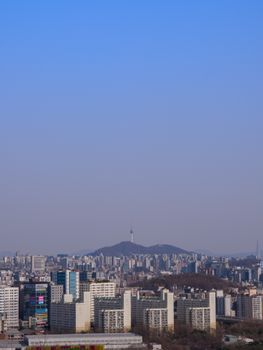
Why Seoul is a global hub for LASIK
- Advanced technology: femtosecond lasers, topography, wavefront analysers and dry-eye diagnostics.
- High surgeon volume: deep experience in refractive surgery, high myopia and enhancement protocols.
- International support: clinics that handle language, logistics and travel coordination for foreigners.
- Competitive pricing: premium equipment and service at a lower cost than many Western countries.
How to choose a quality LASIK clinic in Seoul
| What to check | Why it matters |
|---|---|
| Detailed diagnostics | Tomography, epithelial mapping and dry-eye tests prevent surprises |
| Named devices and maintenance | Clinics should disclose their lasers, updates and QA routines |
| Surgeon credentials | Case volume, publications and complication management |
| Enhancement policy | Know when and how a touch-up is offered |
| Aftercare plan | At least day 1, ~1 week and ~1 month checks |
| Language support | Consent, instructions and follow-up in your language |
| Ethics | Clinics that say “not a candidate” are more trustworthy |
Noteworthy refractive clinics in Seoul
- B&VIIT Eye Center – refractive specialist by Gangnam Station, known for international-friendly service.
- Apgujeong Eye Clinic – by Sinsa Station (Seocho-gu), focused on laser vision correction and related eye care.
- BGSS (Balgeunsesang) Eye Clinic – near Apgujeong Rodeo Station; lists SMILE Pro on the ZEISS VisuMax 800, SMILE, LASEK and ICL. Its English-language website is seoulvisionclinic.com, so it is sometimes listed as Seoul Vision Clinic.
- Gangnam Smile Eye Clinic – at Gangnam Station Exit 10; LASEK, ATOS lenticule surgery and ICL.
- Samsung Medical Center, Department of Ophthalmology – large university hospital in Gangnam-gu with an International Healthcare Center for foreign patients.
- Asan Medical Center, Eye Department – large tertiary hospital with full eye-surgery capability.
- GS Eye Clinic – by Gangnam Station Exit 1; lists SMILE Pro, SMILE and LASEK on ZEISS VisuMax lasers.
Inclusion is not an endorsement. Always verify current credentials, equipment, pricing and reviews.
Sample consultation and travel plan
- Send your latest glasses or contact-lens prescription and the district you'll stay in.
- Book the full screening: tomography, dry-eye tests, pupil size and epithelial thickness.
- Allow 3–7 days in Seoul after surgery for follow-ups.
- Confirm the post-op care plan and who to contact once you are home.
Recovery tips
- Use preservative-free lubricating drops regularly.
- Avoid eye rubbing, swimming pools and hot tubs for several weeks.
- Wear sunglasses outdoors for UV protection.
- Follow the 20-20-20 rule for screens; vision keeps sharpening over days to weeks.
Key facts
- Procedures: LASIK, LASEK, SMILE, ICL
- Key districts: Gangnam, Myeongdong
- Stay after surgery: 3–7 days
- Minimum follow-ups: day 1, ~1 week, ~1 month
- Prices: LASIK cost guide
Related guides
Independent directory. Prices are typical ranges reported by Seoul clinics and change often. Always confirm a written quote and get a full eye exam before booking. This page is general information, not medical advice.
FAQ
Frequently asked questions
Which is the best LASIK clinic in Seoul?
There is no single best clinic for everyone. Choose based on diagnostics, named equipment, surgeon experience, English support and a clear aftercare plan, and compare at least two or three clinics.
Is LASIK in Seoul cheaper than in the US or Europe?
Usually yes – see our LASIK cost guide for current ranges and what packages include.
Do Seoul eye clinics speak English?
Many do. See English-speaking vision clinics in Korea.
How many days do I need in Seoul for LASIK?
Plan for a screening day plus 3–7 days after surgery.
Planning vision correction in Seoul?
Compare clinics by district, check 2026 price ranges, and read our step-by-step planning guide for international patients.