
Ortho-K & Myopia Control in Korea: Cost, Candidacy & Recovery
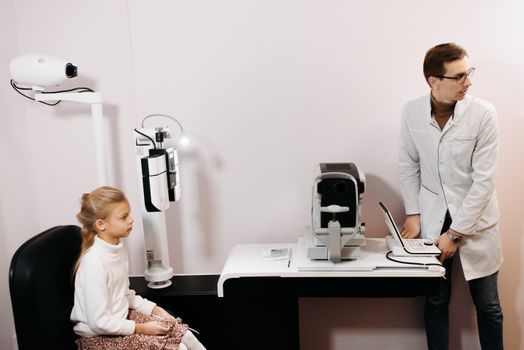
What is ortho-K?
Orthokeratology (ortho-K), called 드림렌즈 (dream lens) in Korea, uses specially designed rigid gas-permeable lenses worn while you sleep. The lens gently flattens the centre of the cornea overnight; you remove it in the morning and see clearly through the day without glasses or daytime contacts.
The effect is temporary and reversible. If you stop wearing the lenses, the cornea returns to its original shape within days to weeks. For adults it is an alternative to glasses or laser surgery; for children it is mainly used to slow the progression of myopia, a major concern in Korea and East Asia where childhood short-sightedness is common.
How does ortho-K compare with other myopia-control options?
Several approaches are used for children; the right one depends on age, prescription and how well the child copes with lenses.
| Option | How it is used | Daytime glasses? | Main considerations |
|---|---|---|---|
| Ortho-K (dream lens) | Rigid lens worn overnight | Usually not needed | Strict hygiene; infection risk; regular checks |
| Low-dose atropine drops | Eye drop at night | Yes | Prescription only; may cause light sensitivity |
| Myopia-control soft lenses | Daily disposable worn by day | No | Daily insertion; replacement cost |
| Myopia-control spectacle lenses | Special glasses worn all day | Yes (they are the treatment) | Easiest to start; must be worn consistently |
A paediatric ophthalmologist or experienced optometrist should choose the method. Ortho-K is not a cure for myopia, and results vary from child to child. Read more about high myopia and why slowing progression matters.
How much does ortho-K cost in Korea?
Korean consumer guides based on HIRA non-covered fee disclosures give consistent figures for 2026:
| Item | Typical cost |
|---|---|
| Initial package, standard lenses (exam, fitting, lenses) | ₩800,000–₩1.2M for both eyes |
| Custom lenses for astigmatism or higher myopia | ₩1.2M–₩1.6M for both eyes |
| Replacement or lost lens | ₩250,000–₩500,000 per lens |
| Follow-up visits (every 3–6 months) | Free to ₩30,000 per visit |
| Care solutions | ₩10,000–₩30,000 per month |
That is approximately $590–$1,200 for the first year's lenses at ₩1,350–₩1,400 per dollar. Glasswallet's calculator estimates a five-year total of about ₩2.9M–₩6M. Ortho-K is non-covered by National Health Insurance, and most indemnity policies do not pay for it.
Individual quotes vary far more than these averages suggest. Clinic-submitted prices on the Korean platform Modoodoc in 2026 ranged from about ₩70,000 to ₩1.3 million, often without stating whether one or both eyes are included, and HIRA fee disclosures for named hospitals show coded fees of roughly ₩120,000–₩600,000 that may not cover the whole package. Always ask what is included: exam, trial lenses, both lenses, solutions and the first year of follow-ups.
How does ortho-K affect future LASIK or SMILE?
Ortho-K does not rule out laser vision correction later, but it does change the measurements on which surgery is planned. Because the lens flattens the cornea, scans taken while you are still wearing it underestimate your true prescription. Surgeons therefore ask ortho-K wearers to stop for longer than soft-lens wearers, and to come back for repeat scans until the cornea is stable. Your clinic will tell you how long; it can be several weeks.
Age matters too. Children using ortho-K for myopia control are usually not candidates for laser surgery until their prescription has stopped changing, typically in their twenties; see the LASIK age limit guide. Adults who want to move from ortho-K to permanent correction should read am I a candidate for LASIK and compare SMILE and LASEK, especially if their corneas are thin. An initial eye exam fee in Seoul is usually modest; see eye exam cost in Korea.
Who is a good candidate?
- Children from about 7–8 years old whose myopia is progressing, with parents able to supervise hygiene
- Adults with low to moderate myopia who want glasses-free days, for example for sport
- Healthy corneas, normal tear film and no active eye infection or allergy flare
- People willing to attend regular follow-ups
High myopia or significant astigmatism may need custom designs or a different method. For adults who want a permanent solution, laser surgery such as LASIK is usually done only once the prescription has been stable; stop ortho-K for the period your surgeon specifies before measurements, because it changes corneal shape (see contact lens break before LASIK).
Can international visitors start ortho-K in Seoul?
It is possible, but ortho-K needs several follow-ups in the first weeks: typically the morning after the first night, then at about one week and one month, and every 3–6 months afterwards. A short holiday is not enough to complete a fitting safely unless an eye-care practitioner at home can take over follow-up. Families living in Korea or staying several weeks are better placed. If you already wear ortho-K, Seoul clinics can check fit or replace a lost lens, although custom lenses take time to order.
What is adaptation like?
| Time | What to expect |
|---|---|
| First nights | Lens awareness on insertion; vision partly corrected by morning |
| 1–2 weeks | Daytime vision usually stabilises |
| Ongoing | Lenses worn most nights; vision fades if nights are missed |
What are the risks?
The most serious risk is microbial keratitis, a corneal infection that can threaten sight, linked mainly to poor hygiene, tap water contact and overwear. Other issues include corneal staining, discomfort, halos and lens loss. Never rinse lenses or cases with tap water, replace lenses on schedule, and remove lenses and seek urgent care for pain, redness or blurred vision. This is general information; an eye doctor's examination and advice are essential.
Sources
Key facts
- What it is: Overnight rigid lenses (드림렌즈) that reshape the cornea temporarily
- First fitting: About ₩800,000–₩1.2M for both eyes; ₩1.2M–₩1.6M for custom/toric
- Replacement: Every 1–2 years; single lens about ₩250,000–₩500,000
- Insurance: Non-covered (비급여) in Korea
- Typical age: From about 7–8, when a child can handle lenses
- Condition: Myopia explained
Related guides
Independent directory. Prices are typical ranges reported by Seoul clinics and change often. Always confirm a written quote and get a full eye exam before booking. This page is general information, not medical advice.
FAQ
Frequently asked questions
Does ortho-K stop myopia getting worse?
It is used to slow progression in children, but it does not stop or cure myopia, and response varies. An eye doctor should monitor eye length or prescription over time.
How much do dream lenses cost in Korea?
About ₩800,000–₩1.2M for both eyes for a standard first fitting, or ₩1.2M–₩1.6M for custom lenses, in 2026. Replacement lenses cost extra.
Is ortho-K safe for children?
It is widely used, but infection is a real risk without strict hygiene and follow-up. Parents need to supervise cleaning and wear.
What age can a child start ortho-K?
Korean clinics usually start from about 7–8, once the child can insert, remove and care for the lenses.
Can I get LASIK after ortho-K?
Yes, but you must stop wearing the lenses long enough for the cornea to return to its natural shape before measurements.
Planning vision correction in Seoul?
Compare clinics by district, check 2026 price ranges, and read our step-by-step planning guide for international patients.