
LASIK for pilots and military: rules to check first (2026)
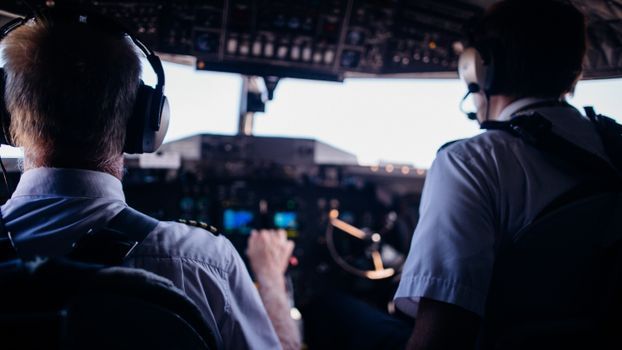
Can pilots and military personnel have LASIK?
Usually yes, but the rules belong to your aviation regulator or military service, not your surgeon. Most allow LASIK, SMILE and PRK once vision is stable and complication-free, and all expect paperwork. The FDA warns that some jobs restrict certain procedures and advises checking with your employer, professional body or military service before surgery.
Rules below were checked on official regulator and military sources on 1 November 2026. They change, so confirm with your aviation medical examiner (AME) or recruiter before booking a trip to Korea.
What do aviation regulators require?
| Regulator | When you can fly again | Paperwork |
|---|---|---|
| FAA (US) | No fixed period: when the treating doctor finds vision stable, with no significant glare, halos or night-vision problems | Surgeon documents it; within 3 months of surgery the AME reviews a Refractive Surgery Status Summary |
| UK CAA | Surface laser (PRK, LASEK, epi-LASIK) typically no sooner than 8 weeks; no minimum set for LASIK and SMILE | Treating surgeon's report, typically available 3–4 weeks after LASIK or SMILE; Class 1 also needs an AeMC eye assessment |
| CASA (Australia) | Minimum 2 weeks after femtosecond LASIK; other procedures may take longer than 4–6 weeks | Specialist report no earlier than 2 weeks; CASA eye report at 12 months |
The UK CAA sets no pre-operative refraction limits but sends Class 1 cases outside standard limits to a medical assessor. CASA asks for stability across three paired measurements and a contrast sensitivity test, and may restrict a certificate to day flying if contrast is not satisfactory.
What does the FAA ask for?
The FAA Guide for Aviation Medical Examiners says you should not resume duties until the treating eye doctor determines that vision has stabilised, there are no significant adverse effects, and you meet the vision standard for your class. The favourable finding goes in your health record.
If surgery was 3 or more months ago, you are fully recovered and off medicines, it is generally not of aeromedical concern if you meet the standards. If it was within 3 months, your AME reviews a signed Eyes – Refractive Surgery Status Summary from your eye doctor. Complications or not meeting standards mean deferral to the FAA.
Why do regulators care about glare and contrast?
Because they affect flying safety even when acuity on a letter chart is perfect. All three regulators single out the same symptoms: the FAA mentions halos, rings, haze, impaired night vision and glare; the UK CAA asks Class 2 applicants to have no glare, halo or starburst symptoms and tests Class 1 applicants for glare and mesopic contrast sensitivity; CASA requires a recent contrast sensitivity test and can limit a certificate to day flying.
The FDA notes that symptoms such as glare, starbursts and halos are common at first and usually improve considerably within days, but that vision may take three to six months to stabilise. Large pupils in dim light raise the risk of lasting glare and halos. If you fly at night, ask the surgeon to measure your pupils in low light and explain your personal risk. See halos and glare after LASIK.
Plan for the possibility of a longer recovery or an enhancement. CASA points out that a small complication risk could cost you your certification, so weigh that before choosing surgery at all.
What about the military?
Rules differ by country, service and job. In the US, refractive surgery is generally waiverable for entry, but aviation, special operations and diving roles are stricter. As one example, a US Air National Guard accession fact sheet lists at least 12 months since surgery or enhancement, refraction stable within 0.50 D over six months, a pre-operative refraction no worse than +8.00 to −8.00 D, and complete pre-op, operative and follow-up records. Policies are revised, so confirm current rules with your recruiter or service eye clinic before booking surgery.
Serving members should never have elective surgery abroad without clearance from their chain of command and medical service.
Which procedure do regulators prefer?
None is universally preferred. Surface laser (PRK, LASEK) avoids a flap but usually means a longer unfit period, as the UK CAA's 8-week guide shows. LASIK and SMILE recover faster. Some military aviation programmes have historically preferred surface treatments. Compare procedures in LASIK vs PRK and SMILE vs LASIK.
Which records should I bring home from Korea?
Regulators ask for detail most clinics do not hand out automatically. Before leaving, request in English:
- Pre-operative refraction and corneal measurements
- Surgery date, procedure, laser and treatment zone size
- Post-operative refractions and visual acuity
- Notes on any complications such as haze, glare or halos
CASA, for example, asks for pre- and post-surgery refraction, technique, ablation zone size and three paired stability measurements. See getting medical records in English and follow-up care after returning home.
How should I plan the trip?
Tell your AME or medical service before surgery, plan time off flying, and book a follow-up at home. LASIK or SMILE trips take about 3–5 days; see 3-day LASIK trip itinerary. Seoul prices checked in 2026: LASIK ₩1.5M–₩2.5M for both eyes (approximately $1,100–$1,900), SMILE ₩2.2M–₩3.2M. This page is general information, not aeromedical advice.
Sources
- FAA – Guide for Aviation Medical Examiners: Refractive procedures
- FAA – Refractive surgery disposition table
- UK CAA – Guidance following eye surgery
- CASA – Laser and refractive eye surgery
- US Air National Guard 104th Fighter Wing – Accession medical waivers for PRK and LASIK
- FDA – When is LASIK not for me?
Key facts
- FAA (US): no fixed wait; resume when vision is stable and the surgeon documents it
- UK CAA: surface laser typically no sooner than 8 weeks; LASIK/SMILE report from 3–4 weeks
- CASA (Australia): minimum 2 weeks grounding after femtosecond LASIK
- Military: rules vary by service and job; check before surgery
- Bring home: full records in English
Related guides
Independent directory. Prices are typical ranges reported by Seoul clinics and change often. Always confirm a written quote and get a full eye exam before booking. This page is general information, not medical advice.
FAQ
Frequently asked questions
Can commercial pilots get LASIK?
Yes, in the US, UK and Australia, subject to the regulator's rules. You must be stable and complication-free and provide a report from your eye surgeon.
How long after LASIK can a pilot fly?
The FAA sets no fixed period; CASA sets a minimum of 2 weeks after femtosecond LASIK; the UK CAA usually needs a surgeon's report, typically available 3–4 weeks after LASIK or SMILE.
Is PRK better than LASIK for pilots?
Not necessarily. PRK avoids a flap but recovery is longer, and the UK CAA typically expects at least 8 weeks before clearance.
Can I join the military after LASIK?
Usually yes with a waiver, but rules vary by service and job and can require waiting periods and full records. Check with your recruiter before surgery.
Should I tell my AME before LASIK?
Yes. Regulators expect you to report the surgery and stop flying until cleared. CASA explicitly advises informing your examiner before surgery.
Planning vision correction in Seoul?
Compare clinics by district, check 2026 price ranges, and read our step-by-step planning guide for international patients.