
Travel insurance for eye surgery abroad: what to check
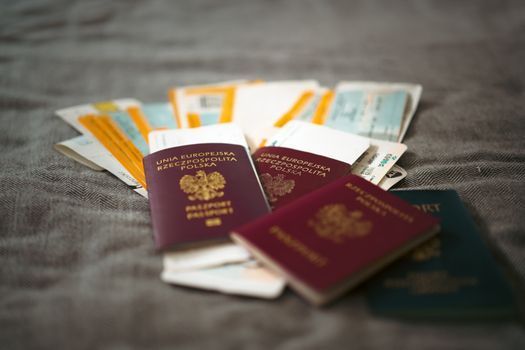
Does travel insurance cover eye surgery abroad?
Usually not the surgery itself. Travel insurance is designed for unexpected events, and many policies exclude treatment you travel specifically to have, along with its complications. That does not make insurance pointless on a LASIK trip: you still want cover for cancelled flights, lost luggage, accidents and illness unrelated to the surgery.
Policies differ by insurer and country, so the only reliable answer is in your policy wording. Korean regulatory points on this page were checked on official sources on 1 November 2026.
What should I ask my insurer?
- Am I covered while abroad for elective treatment, or is the trip excluded entirely?
- Are complications of planned surgery excluded, and does that include follow-up care?
- Am I still covered for unrelated illness, accidents and theft?
- Is cancellation covered if the clinic says I am not a suitable candidate?
- Is there a separate medical travel or treatment-abroad policy I can buy?
- What records do you need for a claim, and in which language?
Get the answers in writing, and keep the policy number and emergency line with your passport. See what to bring to your Korean eye surgery.
What kinds of cover are there?
| Type of cover | What it may cover | Check for |
|---|---|---|
| Standard travel insurance | Cancellation, luggage, unrelated illness or accidents | Exclusions for planned treatment and its complications |
| Medical travel or treatment-abroad policy | Some complications, extra accommodation or return trips | Limits, waiting periods, which procedures qualify |
| Home health insurance or employer plan | Sometimes reimbursement for elective treatment | Whether care abroad is accepted at all |
| Clinic's own malpractice cover | Liability if the clinic is at fault | Clinic's registration status |
| Credit card travel benefits | Varies widely | Usually limited; read the terms |
Which risks should the cover plan for?
Think through what could realistically go wrong on the trip and check each one against your policy and the clinic's terms:
- The exam rules surgery out: you may need to change flights or stay longer for a different procedure. Ask the clinic how the exam fee and any deposit are handled, and check whether your policy pays for changed travel plans.
- Slow healing or a complication during the stay: extra nights and clinic visits. Ask the clinic what aftercare is included in its fee, and whether your policy covers extra accommodation.
- A problem after you get home: local appointments and, rarely, further treatment. Ask your home health system or insurer what it covers after surgery abroad.
- Unrelated illness or injury in Korea: this is where standard travel insurance usually helps most.
- Lost documents or luggage: keep drops and records in hand luggage, and photos of your passport and policy on your phone.
Book refundable flights and rooms where you can, and leave spare days. Patients having ICL need longer; see 7-day ICL trip itinerary. For LASIK and SMILE timing, see 5-day SMILE trip itinerary.
Read every exclusion that mentions planned, elective or cosmetic treatment, and treatment abroad. If the wording is unclear, ask the insurer to confirm in writing before you travel.
What protection does the Korean clinic have?
Under Article 6 of Korea's foreign patient law, a medical institution registered to attract foreign patients must hold malpractice insurance or belong to a medical malpractice mutual aid association, and have a specialist in each department it offers. This is liability cover for the clinic, not insurance for you, but it is one reason to choose a registered clinic. See registered medical-tourism clinics (KHIDI).
What if I have a complication in Korea?
Contact your clinic straight away; aftercare during your stay is usually part of the fee, but confirm this before booking. For an emergency, call 119: Seoul's emergency service offers a free ambulance and interpretation in English, Chinese, Japanese, Mongolian and Vietnamese. For complaints or disputes, KHIDI's Medical Korea Information Center (1577-7129) handles complaints and medical accidents involving foreign patients and registers medical disputes. See medical interpreters in Seoul.
What if I have a problem after I get home?
Your local eye doctor will see you, and your home health system or insurer will decide what it covers. Bring full records so they can help quickly. Ask the clinic before you leave how it handles questions or problems after you return, and whether a free re-check is offered if you come back. See follow-up care after returning home and LASIK complication rates.
Which documents help with a claim?
- Itemised receipts and proof of payment
- An English medical certificate or summary signed by the doctor
- Records of any complication and its treatment
- Travel bookings and cancellation notices
English certificates cost about ₩20,000 at hospitals we checked; see getting medical records in English.
How else can I reduce risk?
Choose a registered clinic with an experienced surgeon, get a full exam, book refundable flights and rooms, and allow spare days. Budget for the whole trip with total trip cost for LASIK in Korea and see paying for eye surgery in Korea. This page is general information, not insurance advice.
Sources
Key facts
- Planned treatment: often excluded from standard travel policies; read the wording
- Still worth having: for cancellations, lost luggage, unrelated illness or accidents
- Korean registered clinics: must hold malpractice insurance or mutual aid cover
- Emergencies: call 119; free ambulance, interpreters available
- Plan the trip: vision correction travel guide
Related guides
Independent directory. Prices are typical ranges reported by Seoul clinics and change often. Always confirm a written quote and get a full eye exam before booking. This page is general information, not medical advice.
FAQ
Frequently asked questions
Does travel insurance cover LASIK abroad?
Usually not. Many policies exclude treatment you travel to have, and its complications. Check your wording, or look for a specialist medical travel policy.
Do I still need travel insurance for a LASIK trip?
Yes, for cancellations, lost luggage and illness or accidents unrelated to the surgery. Tell the insurer about the purpose of the trip.
Who pays if something goes wrong with eye surgery in Korea?
Aftercare during your stay is often included by the clinic; confirm this in advance. Registered clinics must hold malpractice cover, and disputes can be raised through the Medical Korea Information Center.
Is there insurance for medical tourism complications?
Some insurers sell medical travel or treatment-abroad policies that cover certain complications. Compare limits, exclusions and which procedures qualify.
What do I need to make an insurance claim after surgery abroad?
Itemised receipts, an English medical certificate or summary, records of any complication and your travel bookings.
Planning vision correction in Seoul?
Compare clinics by district, check 2026 price ranges, and read our step-by-step planning guide for international patients.