
PTK in Korea: Cost, Candidacy & Recovery
What is PTK?
Phototherapeutic keratectomy (PTK) is a laser treatment for corneal disease rather than for glasses prescriptions. A 193 nm excimer laser, the same type used for PRK, vaporises a precise, very thin layer of the corneal surface so that healthy epithelium can regrow and stick properly.
Where PRK reshapes the cornea to change its focusing power, PTK aims to remove abnormal tissue and leave a smooth surface. Surgeons sometimes combine the two (PTK plus PRK) in the same session when a patient has both a surface problem and a refractive error.
What conditions does PTK treat?
PTK is used for problems confined to the front layers of the cornea.
| Condition | Why PTK helps | Notes |
|---|---|---|
| Recurrent corneal erosion | Creates a smooth base so epithelium adheres | Usually after drops, ointment and bandage lenses fail |
| Anterior corneal dystrophies (for example granular, Reis-Bücklers, lattice) | Removes opaque deposits near the surface | Deposits can return over years |
| Epithelial basement membrane dystrophy | Reduces irregular surface and erosions | Often treated before cataract or refractive surgery |
| Superficial scars and nodules | Smooths or removes opacity | Only if shallow enough |
Evidence supports PTK in selected patients. A Korean study in the Journal of the Korean Ophthalmological Society (2011) treated 12 eyes with recurrent erosion that had failed conservative care; all were treated successfully over about 11 months of follow-up, with one recurrence at nine months. A UK series in Eye (2002) found 27 of 29 eyes with corneal dystrophies kept or improved their best-corrected vision, all erosion patients became symptom-free (two after a repeat), and five dystrophy eyes recurred and needed further treatment.
Why might a visitor need PTK in Seoul?
Two situations are common. First, people who live in Korea or visit often and suffer repeated painful erosions, typically on waking. Second, refractive-surgery candidates whose Seoul pre-op exam reveals basement membrane dystrophy or surface scarring; treating the surface first can make later surgery safer and more accurate. If you are planning LASEK or LASIK, mention any history of eye pain on waking or previous abrasions. Our pre-op eye exam guide explains the tests that pick these up.
What happens during PTK?
PTK is an outpatient procedure lasting minutes. After numbing drops, the surgeon may first remove loose epithelium by hand or let the laser remove it, depending on the condition. The laser then removes a measured depth of surface tissue, often only a few microns for erosion and more for deposits or scars. A masking fluid can be used to protect valleys and smooth peaks on an irregular surface. A bandage contact lens is placed at the end, and you leave with antibiotic and anti-inflammatory drops and lubricants.
Because PTK is a medical treatment, a cornea specialist rather than a refractive surgery coordinator should explain why it is recommended, how deep the treatment will be and how it might affect your glasses prescription. If you are also hoping to reduce your prescription, ask whether combined PTK and PRK is appropriate or whether staging the procedures is safer. For general advice on vetting a surgeon, read questions to ask your surgeon.
How much does PTK cost in Korea?
There is no single published price. PTK is a therapeutic procedure, so cost depends on the diagnosis, whether it is combined with PRK, the hospital type, and whether you are enrolled in Korean National Health Insurance. Visitors without Korean insurance pay the full uninsured fee. For comparison, Seoul surface laser vision correction (PRK) costs about ₩1.3M–₩2.2M for both eyes (approximately $950–$1,650); see PRK cost in Korea. Ask the clinic or hospital's international office for an itemised estimate before treatment, and check whether your travel or home insurance covers medically necessary eye care abroad (see travel insurance for eye surgery abroad).
When you ask for an estimate, list what you want priced: the specialist consultation and imaging, the PTK itself (one or both eyes), any combined PRK, bandage lenses and drops, and follow-up visits until the surface has healed. Itemised English receipts make it easier to claim from an insurer at home.
Who is a good candidate?
- Recurrent erosions not controlled by lubricants, ointment, bandage lenses or other first-line care
- Dystrophy or scarring limited to the anterior cornea
- Enough corneal thickness to allow tissue removal
- No active infection or herpes keratitis
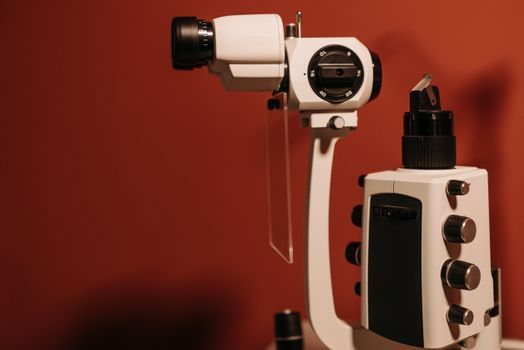
Deeper scars or dystrophies may need a lamellar or full-thickness transplant instead. A cornea specialist will measure depth with slit-lamp examination and imaging.
What is recovery like?
Recovery resembles PRK because the epithelium is removed.
| Time | What to expect |
|---|---|
| Days 1–3 | Pain, watering, light sensitivity; bandage contact lens |
| Days 3–7 | Surface heals; bandage lens removed |
| Weeks 1–4 | Vision improves; lubricants continue |
| Months | Glasses prescription may change and need updating |
Plan at least a week in Seoul, and keep using lubricating drops or night ointment as advised to lower the chance of erosions returning.
What are the risks?
Risks include a hyperopic (long-sighted) shift, haze, infection while the surface heals, delayed healing, irregular astigmatism and recurrence of dystrophy deposits, which may need repeat PTK. This is general information; a full exam and an ophthalmologist's advice are essential.
Sources
Key facts
- What it is: Excimer laser removal of diseased superficial cornea
- Treats: Recurrent corneal erosion, anterior dystrophies, superficial scars and irregularities
- Korean result: 12 of 12 refractory erosion eyes treated successfully; 1 recurrence (Korean study, 2011)
- Recovery: Bandage lens for several days, like PRK
- Side effect: Possible hyperopic (long-sighted) shift
- Related: PRK surgery in Korea
Related guides
Independent directory. Prices are typical ranges reported by Seoul clinics and change often. Always confirm a written quote and get a full eye exam before booking. This page is general information, not medical advice.
FAQ
Frequently asked questions
Is PTK the same as PRK?
Both use an excimer laser on the corneal surface. PRK changes your prescription; PTK removes diseased surface tissue to treat a medical problem, though the two can be combined.
Does PTK cure recurrent corneal erosion?
It resolves symptoms in most selected patients in published series, but erosions can recur. Continued lubrication is usually advised.
Will PTK change my glasses prescription?
It can, most often toward long-sightedness. Your surgeon may plan for this or combine PTK with PRK.
How long is recovery after PTK?
The surface usually heals within about a week, with vision settling over several weeks.
Do foreigners pay more for PTK in Korea?
Visitors without Korean National Health Insurance pay the uninsured fee. Ask for a written estimate first.
Planning vision correction in Seoul?
Compare clinics by district, check 2026 price ranges, and read our step-by-step planning guide for international patients.