
Swimming after LASIK: pools, hot tubs, the sea and saunas
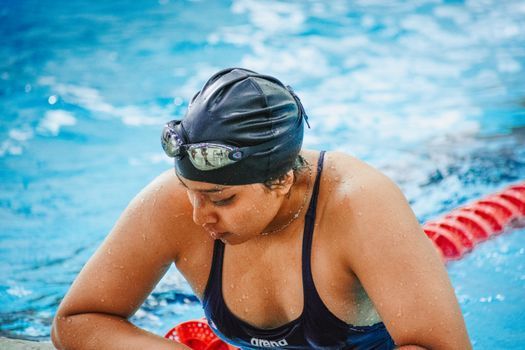
How long after LASIK can I swim?
The FDA says to avoid swimming and hot tubs or whirlpools for 1–2 months after LASIK. Some surgeons allow pool swimming with tight goggles sooner; an ophthalmologist answering for the American Academy of Ophthalmology advises no swimming for at least two weeks.
Those two figures are not a contradiction. Two weeks is the absolute minimum some surgeons accept for a chlorinated pool with goggles; one to two months is the safer window for any water that may splash into an unprotected eye. Your clinic will tell you which it prefers based on how your eye looks at the follow-up checks.
If you are only in Seoul for a few days after surgery, assume no swimming for the whole trip and pack goggles for later.
Why is water risky after LASIK?
Because germs in water can infect the healing cornea. Pools, hot tubs, lakes and the sea all contain bacteria, and natural water and poorly treated hot tubs can also carry amoebae that cause a rare but severe corneal infection. While the flap edge or surface is still sealing, and while you are using drops several times a day, the eye is more exposed.
Infection after LASIK is rare: a study of 204,586 eyes, published in Ophthalmology in 2010, found a rate of about 0.035%, roughly 1 in 2,841 procedures. But 62.5% of those infections began within the first 7 days, which is exactly when people are tempted to try the hotel pool. Water also washes away the protective tear film and the drops you have just put in.
Contact lens wearers know the rule never to swim in lenses, because water can trap microbes against the cornea. A freshly operated eye deserves the same caution: the surface is healing, the flap edge or incision is still sealing, and each splash rinses away the medication meant to protect it.
How long should I wait for each type of water?
This table is a practical guide based on FDA advice and common clinic practice after LASIK. Your surgeon may be stricter.
| Water | Typical wait after LASIK | Why |
|---|---|---|
| Shower and hair washing | From day 1, eyes closed | Keep tap water and shampoo out of the eye for the first week |
| Washing your face | After about a week; wipe around the eyes before that | Avoid splashing water directly into the eye |
| Chlorinated pool with goggles | At least 2 weeks, often 1 month | Chlorine irritates; goggles can leak |
| Hot tub, spa, whirlpool | 1–2 months | Warm water favours bacterial growth |
| Sauna, steam room, jjimjilbang | Ask your surgeon; often 1 month or more | Heat dries the eye; shared baths |
| Sea, lakes, rivers | 1–2 months, always with goggles | Untreated water, sand and microbes |
| Diving and snorkelling | As for open water; mask must seal | Pressure itself does not affect the result |
Never swim in contact lenses, and never rinse the eye with tap water to relieve grittiness: use sterile artificial tears instead.
Hotel pools in Seoul are chlorinated, but hotel spas, jacuzzis and the shared baths of a jjimjilbang are warm water used by many people, which is exactly the situation the FDA's hot tub advice is about.
Is the wait different after SMILE, PRK/LASEK or ICL?
Yes. SMILE has only a small incision, so some clinics allow swimming sooner; PRK and LASEK need the surface fully healed; ICL involves an incision into the eye, so surgeons are cautious.
| Procedure | Typical earliest swim | Main concern |
|---|---|---|
| LASIK | 1–2 months (FDA); some allow goggled pools from 2 weeks | Flap edge and infection |
| SMILE/ SMILE Pro | 1–2 weeks after the surgeon checks the eye (BGN Eye Clinic, Seoul) | Small incision; infection |
| PRK/ LASEK | Only after the bandage lens is out and the surface has healed; usually weeks | Raw surface during days 1–5 |
| ICL | Usually later than gym work; follow your surgeon | Incision into the eye |
See also LASEK recovery and pain and the ICL recovery timeline.
Do swimming goggles make it safe sooner?
They help, but only if they seal well. Choose a snug, well-fitting pair and fit them before you get in. Do not press on the eye when putting them on or taking them off, and lift them off from the side rather than pulling across the face. Goggles do not make a hot tub safe, because steam and warm water reach the eye anyway.
Can I use a Korean sauna or jjimjilbang after LASIK?
Not in the first weeks. A jjimjilbang combines hot pools, steam and dry heat. The FDA's hot tub advice applies to the baths, and dry heat worsens the dryness most people have after surgery. Save it for a future trip, or for the end of a long stay once your surgeon has cleared you. Other ideas are in what to do in Seoul after LASIK.
Can I swim at the beach if I fly home soon after surgery?
Plan around it. If you are combining surgery with a beach holiday, do the beach first or allow at least a month afterwards. Sand, wind and salt water are all hard on a healing eye. For timing your trip see the eye-surgery travel guide for Korea and flying after LASIK.
What if water gets in my eye?
Do not rub. Blink, use sterile artificial tears and the drops your clinic gave you, and watch for warning signs. Contact your clinic promptly if you develop pain, increasing redness, discharge, light sensitivity or blurred vision in the following days. Exercise guidance is in exercise after LASIK.
Sources
Key facts
- Pools, hot tubs, whirlpools: avoid for 1–2 months after LASIK (FDA)
- Earliest some surgeons allow: about 2 weeks, with goggles (AAO ophthalmologist answer)
- Lakes, rivers, sea: the longest wait; always goggles
- Diving pressure: does not affect the LASIK result (AAO)
- Why it matters: infection, though rare (about 0.035% of LASIK procedures), often starts in week 1
- Full timeline: LASIK recovery day by day
Related guides
Independent directory. Prices are typical ranges reported by Seoul clinics and change often. Always confirm a written quote and get a full eye exam before booking. This page is general information, not medical advice.
FAQ
Frequently asked questions
Can I swim 2 weeks after LASIK?
Some surgeons allow pool swimming with well-sealed goggles from about 2 weeks; the FDA advises waiting 1–2 months. Ask your surgeon at your follow-up.
When can I go in a hot tub after LASIK?
The FDA says to avoid hot tubs and whirlpools for 1–2 months. Warm water is a good environment for bacteria.
Can I shower after LASIK?
Yes, from the next day, with eyes closed and your face turned away from the spray. Keep shampoo and soap out of your eyes for the first week.
Can I swim in the sea after LASIK?
Wait at least 1–2 months and wear goggles. Untreated water, sand and wind carry the most risk.
Can I scuba dive after LASIK?
The pressure change does not affect the LASIK result, according to an AAO ophthalmologist. Follow the same water timing as open-water swimming and make sure your mask seals.
Planning vision correction in Seoul?
Compare clinics by district, check 2026 price ranges, and read our step-by-step planning guide for international patients.